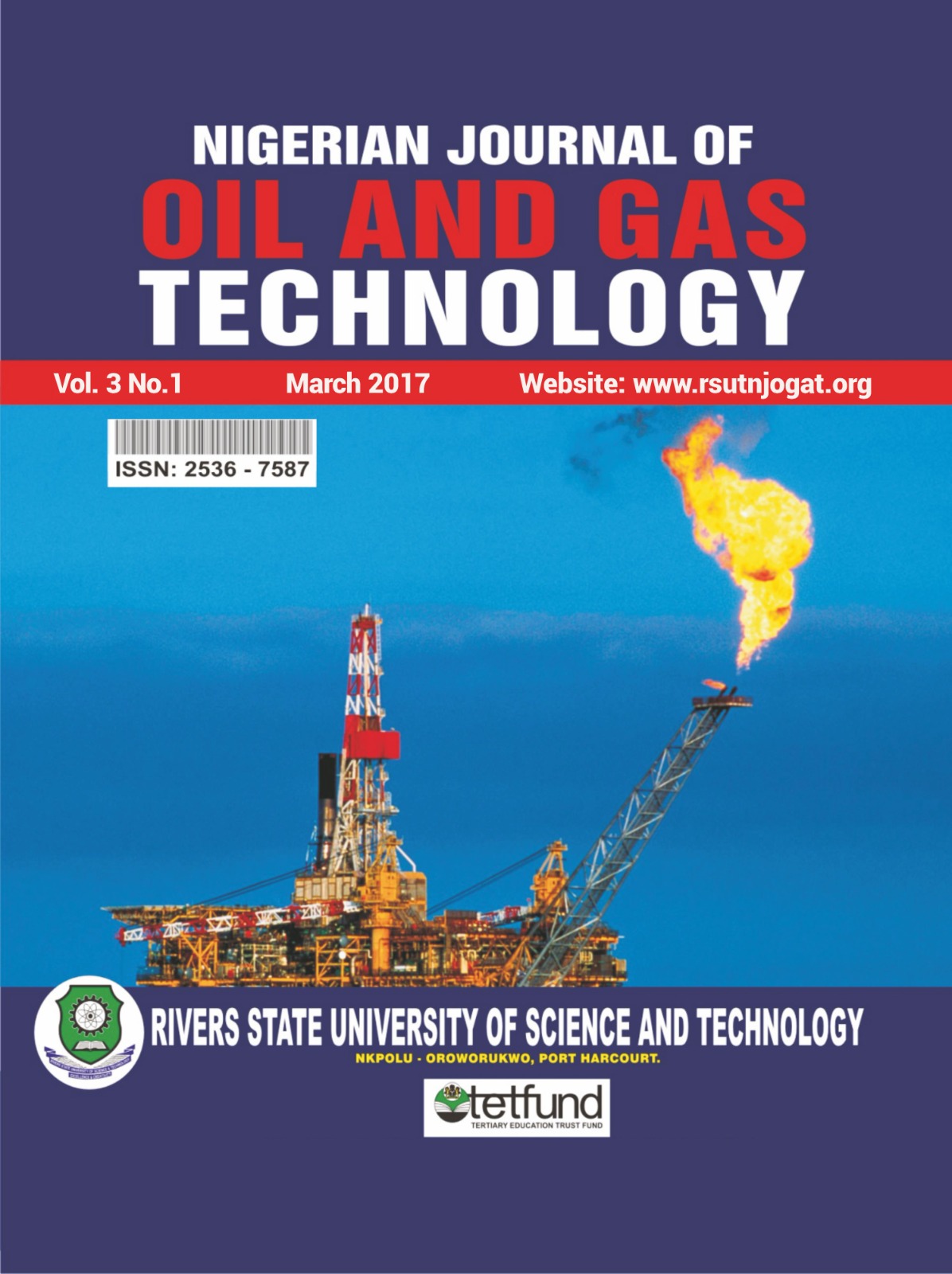
Socio-Legal Implications of Oil and Gas Exploration on the Rights and Well-Being of the People of the Niger Delta
Аннотация
Environmental despoliation, paucity of infrastructure, economic deprivation and systemic poverty, total alienation from policy making and management structure of oil and gas company, total neglect and discontent, disregard for the rule of law, overthrow of constituted authorities at community levels, extreme human rights violations, petro-violence:intra and inter communal conflicts and “rebellion” against Nigerian state are symptomatic of the socio-legal implications of oil and gas explorations on the rights and well-being of the people of Niger Delta of Nigeria, since the discovery of oil and gas in commercial quantities in the region beginning with Oloibiri (now Bayelsa State) in 1956, Bomu, Afam, Rumuekpe and Umuechem(Rivers State) in 1958, respectively. This paper X-rays the inherent contradictions in the legal frameworks enacted by the Nigerian State to regulate the oil and gas explorations and how these inadequacies or more, have imparted very fraudulently on the socio-economic cum political sensibilities of the Niger Delta people inducing unimaginable levels of conflictual theatre of apparent violence. Consequently, the paper suggested ways out of this morbid situation in the area and made projections for a reinvigorated Niger Delta Region of Nigeria.
Скачивания
Библиографические ссылки
Ako, R. T. (2008). The essence of public participation in ensuring sustainable peace in Nigeria's oil industry. In International Conference on The Nigerian State, Oil Industry and Niger Delta. Port Harcourt: Harey Publications Company Ltd.
Alagoa, E. J., & Tamuno, T. N. (Eds.). (1989). Lands and peoples of Nigeria: Rivers State communications. Port Harcourt.
Ambily Etekpe. (2007). Politics of resource allocation and control in Nigeria: The Niger Delta experience. Nigeria: Harey Publications.
Ambily Etekpe, Young M. Ayotamuno, et al. (2010). Conflict management and resolution in Nigeria: The Niger Delta perspective. Port Harcourt: Pearl Publishers.
Azaiki, S. (2003). Inequities in Nigerian politics. Bayelsa State: Treasure Communications Resources Limited.
Central Bank of Nigeria. (1970–1990). Annual report and statement of accounts (6 volumes).
Central Bank of Nigeria. (1996). Annual report and accounts.
Cookey, S. J. S. (2016). History and society in Nigeria. Port Harcourt: Pearl Publishers International Ltd.
Darah, G. G. (2014). The Niger Delta: Resource control and the quest for justice. Ibadan: Kraft Books Limited.
Derefaka, & Okorobia (Eds.). (2008). The future of the Niger Delta: The search for a relevant narrative. Port Harcourt: Onyoma Research Publications.
Ebeku, K. (2001). Oil and the Niger Delta people: The injustice of the land use act. CEPMLP Internet Journal, 9(14). Retrieved from http://www.dundee.ac.uk/cepmlp/journal/html/article9-14.html
Emejuru, P. I. (2010). Globalization and conflict: Understanding the crisis in the Niger Delta region of Nigeria: The case of Rivers State (Unpublished Ph.D. dissertation). University of Port Harcourt, Department of Sociology.
Etenge, I. A. (1998). The Nigerian state, oil exploration and community restiveness: Issues, interests and deprivation. Paper presented at Frederick Ebert Foundation Seminar on Oil and Environment, Port Harcourt.
Gray, J. (2006). The world is round. New York Review of Books. Retrieved from http://www.nybooks.com/articles
Ibeanu, O. (2008). Two rights make a wrong: Bringing human rights back into Niger Delta discourse. In International Conference on The Nigerian State, Oil Industry and Niger Delta. Port Harcourt: Harey Publications Company.
Joy, B. (2000). Why the future doesn't need us. Wired, 8(4). Retrieved from http://www.wired.com/archive/8.04/joy.html
Kelliner, D. (2000). New technologies/new hierarchies: Reconstructing education for the new millennium. Teaching Education.
Lubeck, P., Watts, M., & Lipschutz, R. (2007). Convergent interest: US energy security and securing of Nigeria democracy. International Policy Report. Retrieved from http://www.ciponline.org/nigeria.pdf
Ogoni Bill of Rights. (1990). Presented to government and people of Nigeria, November 1990.
Okaba, B. (2008). Petrodollar, the Nigerian state and the crisis of development in the Niger Delta region: Trends, challenges and the way forward. In International Conference on The Nigerian State, Oil Industry and the Niger Delta. Port Harcourt: Harey Publications Limited.
Okoko, K. (1998). The politics of resource extraction, distribution and sustainable development. Paper presented at the National Conference on Enduring Peace and National Development, Port Harcourt: Yakubu Gowon Centre.
Omotose, O. J. (2017). Authoritarianism and the question of environmental justice in Africa: The example of land use act of 1978 in Nigeria. Afro Asian Journal of Social Sciences, VIII(1), Quarter 1.
Pearson, T. (2006). On the trial of genetically modified organisms: Environmentalism within and against neo-liberal order. JSTOR, 20(2), 16–30.
Shiva, V. (2005). The polarized world of globalization: A response to Friedman’s flat earth hypothesis. Navdanya. Retrieved May 10, from http://www.navdanya.org
South-South People Assembly. (2014). A backbone without coccyx: A response to the northern agenda.
Tamuno, T. N. (2011). Oil wars in the Niger Delta (1849–2009). Ibadan: Stirling-Horden Publishers Ltd.
The Constitution of the Federal Republic of Nigeria. (1979).
The Constitution of the Federal Republic of Nigeria. (1999, as amended).
The Mace. (2013, April). P.I.B: The intrigues, the issues. Abuja: Amada Media.
Watts, M. (2006). The empire of oil and the scramble for Africa. Monthly Review.